 Children's and Young Adult Literature Resources
This document contains lists of different children and young adult literature, including books of distinction that CLACS has available for K-12 programs. Also included in the document, when available, are links to teaching resources for the books.
Many have received recognition from CLASP's Américas Award, the Pura Belpré Award or the International Latino Book Awards. Additionally, there are lists around different themes, bilingual books in English and Spanish, and links to other lists of books with Latin American related content.
Additional language arts resources including information about author interactions may be found here.
Consider packing a country suitcase to complement the activity!
This document includes online and digital resources including videos and curricular activities and ideas to complement literature lessons or develop lessons for other subjects.
Incorporating Music of Latin America & the Caribbean in the Classroom by Sarah Whitaker, MM
This series of modules presented by Dra. Marisol Massó aims to help K-12 teachers understand, explore and reflect on literature that fosters connections across cultures. Specifically, it focuses on literature that represents the Latin American region and the experiences of the Latine diaspora, with special emphasis on books recognized by the Americas Book Award.
Grounded in seminal and recent research on literature, literacy, and culturally responsive teaching, the module provides an overview of books that authentically represent the Latine cultures and experiences, explores the benefits of literature, offers strategies to select books, and presents classroom activities that engage students with these books. The series also draws on the presenter's experiences teaching literature in diverse educational contexts.
See this page for lesson plans from participants in the MSU Global Literature Teacher Fellowship.
Episode 1 What Literature Helps Us Connect Across Cultures?
This episode presents literature that authentically represents the Latin American region and the experiences of the Latine diaspora, builds a shared understanding of the region, its people, and cultures, and highlights the role of teachers in using literature to teach global cultures, and promote cultural understanding.
Episode 2 What Does Research Tell Us About the Role of Literature in K-12 Classrooms?
Grounded in seminal and recent research on literature, literacy, and culturally responsive teaching, this episode provides an overview of the benefits of literature, different reading approaches, and examples of responses teachers can use when engaging students with literature that reflects Latine cultures and identities.
Episode 3 How Do We Find and Select Literature?
This episode invites teachers to reflect on their book selection practices and explore new strategies for finding and selecting literature, including recommendations from Latine literature experts on evaluating texts for cultural authenticity, curated resources for K-12 educators, book awards, and insights drawn from the presenter's own experiences selecting books.
Episode 4 How do We Use Literature In the Classroom?
In this episode, the presenter discusses the integration of global literature in K-12 education through a reading lesson with her emergent bilingual learners in her ESL classroom. This episode illustrates how teachers can plan and teach global literature to foster intercultural connections by applying research-based knowledge and practices explored throughout the module.
About the presenter, Marisol Massó:
Dra. Marisol Massó is a language educator and practitioner-researcher with over a decade of experience teaching multilingual learners across K–12 and higher education settings. She currently serves as an ESL Literacy teacher at Waverly Community Schools, where she brings together her expertise in language, literacy, and culturally sustaining pedagogy to support multilingual learners. She holds an M.A. in Teaching English to Speakers of Other Languages (TESOL) and a Ph.D. in Curriculum, Instruction and Teacher Education. Her research examines the pedagogical decisions educators make to create culturally and linguistically responsive learning environments for multilingual learners. She received the 2025 American Association for Applied Linguistics Grabe-Stroller Award for her solo conference presentation on her dissertation research.
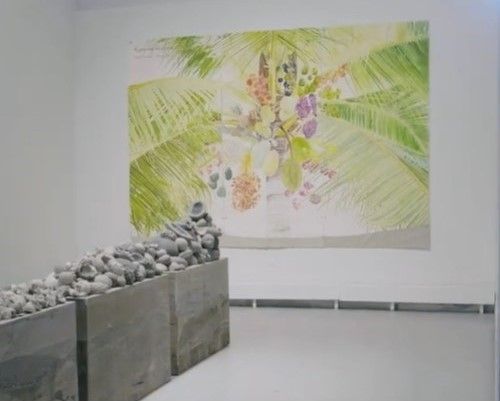
Featured Faculty Research
Seeing Migration through Artwork
Rafael Villares
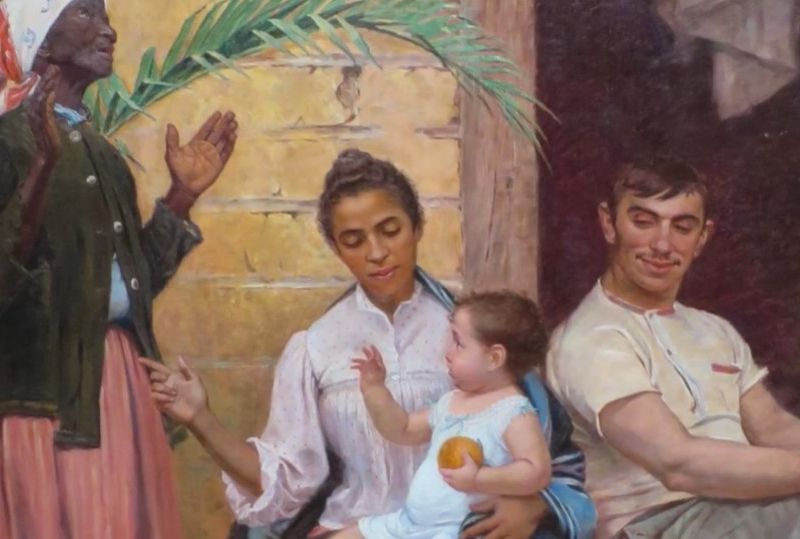
Featured Graduate Research
Jazz Studies & the Black Experience in Brazil
Sarah Whitaker
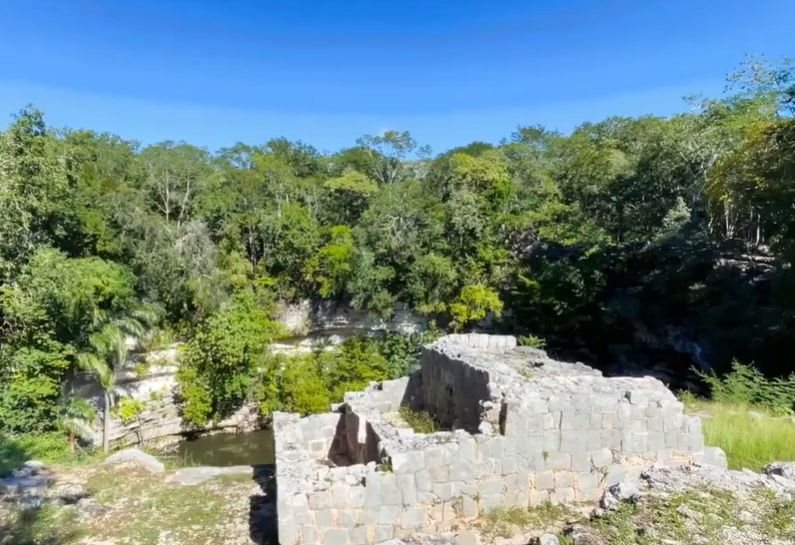
Featured Undergraduate Research
Human Forest Codependence & Community Traditions
in Yucatán
Adilene Martínez
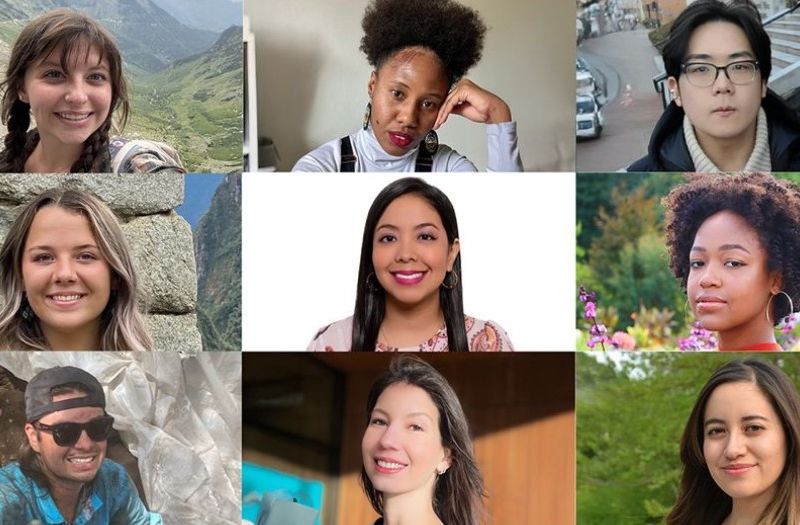
CLACS 2026 Graduate Student Awards
Field Research


